












Winter is one of the most challenging seasons for beekeepers. Cold temperatures, moisture buildup, limited food resources, and pests can put any colony at risk. But with the right preparation, your bees can survive — and even thrive — until spring.
This complete winter beekeeping guide shows you what to do before, during, and after winter, plus recommended Amazon tools to make your job easier.
Why Winterizing Your Hive Is Essential
Bees don’t hibernate — they form a tight cluster and vibrate their bodies to generate heat. That means:
- They consume more stored honey
- Temperature and airflow must be controlled
- Moisture must be removed
- The hive must be protected from wind, pests, and predators
A well-prepared hive has a higher survival rate and a stronger spring buildup.
1. Reduce Moisture Inside the Hive (Most Important Winter Task)
Moisture kills more bees in winter than cold temperatures. As the bees warm the hive, condensation forms on the inner cover. When cold water drips back onto the cluster, it can chill and kill them.
What You Should Do
- Add a moisture board or quilt box
- Use an insulated top cover
- Ensure ventilation at the upper entrance
- Avoid sealing the hive completely
Recommended Amazon Products
➡️ BeeCastle Moisture Quilt Box for Winter Hives
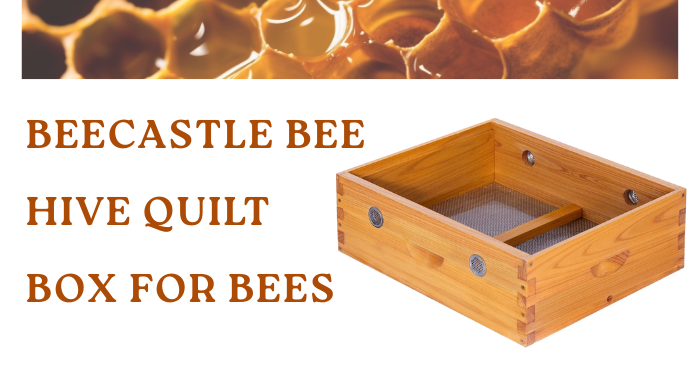
The BeeCastle Bee Hive Quilt Box for Bees is one of the most reliable tools for keeping your colony safe during cold months. This Assembled Winter Quilt Box provides the perfect balance of beekeeping insulation and ventilation, helping reduce condensation—the number one cause of winter hive losses. Designed to fit 8-frame Langstroth beehives, it supports proper airflow while keeping the cluster warm and dry. Whether you’re preparing for harsh temperatures or improving your overwintering setup, this is an essential addition to your overwintering beekeeping supplies.
View on Amazon https://amzn.to/4pgWG2Z
Why: Helps absorb excess moisture, keeps bees dry, and promotes proper airflow — essential for winter survival.
➡️ Honey Hive Insulated Inner Cover
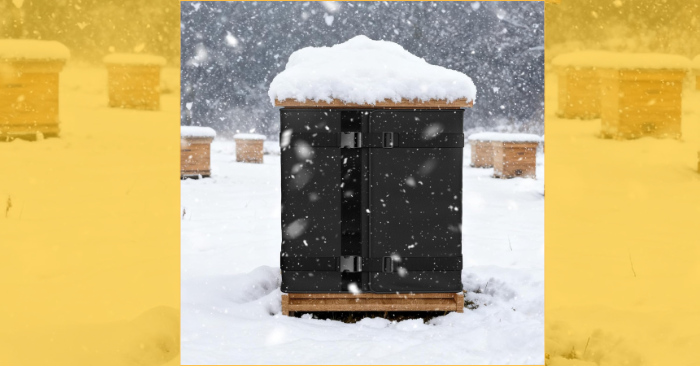
The Winter Bee Hive Wrap for 8 and 10 Frame Hives offers powerful protection against freezing temperatures, harsh winds, and moisture. Made with 3 layers of durable 600D Oxford fabric, this waterproof and windproof wrap helps your bees conserve energy and stay warm through the coldest months. Its double fixed strap design ensures a secure fit around the hive, providing stable insulation without slipping. Measuring 76.4”L x 24.8”W and finished in classic black, this is one of the most reliable beekeeping supplies for winter and a must-have for warm beehive insulation wrap to support successful overwintering.
View on Amazon: https://amzn.to/3yCXjFA
Why: Prevents condensation buildup and reduces heat loss, keeping the cluster warm without suffocating the hive.
2. Insulate the Hive — But Do Not Overheat
Bees need warmth to move across honey frames. However, too much insulation traps moisture. You need balance.
What You Should Do
- Wrap the hive with breathable insulation
- Block strong winds, especially from the north
- Use hive wraps designed for winter (avoid plastic tarps — they cause moisture)
Recommended Amazon Products
➡️ Bee Cozy Winter Hive Wrap (2-story)
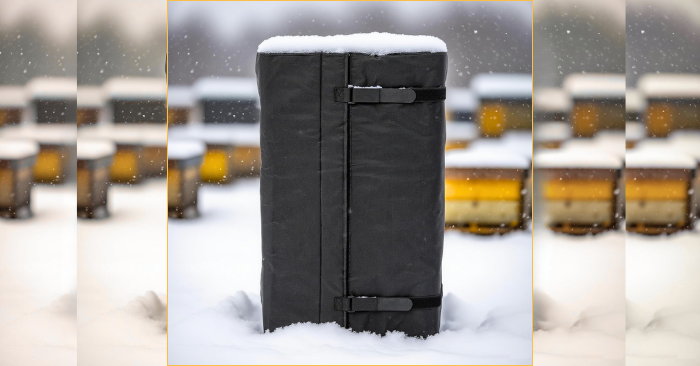
The Winter Bee Hive Wrap for 10 and 8 Frame Beehives is a powerful insulation solution designed to keep your colonies warm through the harshest months. This adjustable cover fits 2 deep boxes and 2 medium boxes, offering complete seasonal protection for standard hive sizes. Made with durable 600D Oxford fabric, the wrap provides a cozy, windproof, and warm beehive insulation layer that helps bees maintain internal temperature while reducing energy consumption. Measuring 85″ x 34″, this Beehive Winter Protection Cover is a must-have for beekeepers seeking reliable winter defense and long-lasting comfort for their hives.
View on Amazon: https://amzn.to/3RzAIcP7
Why: One of the most trusted hive wraps. Helps bees maintain an even temperature, reduces honey consumption, and protects against wind.
➡️ HiveShield Wind Barrier Stand
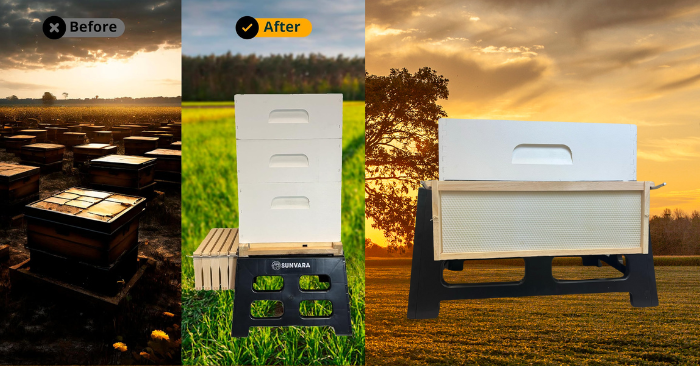
The SunVara Bee Hive Stand 10 Frame is a sturdy and reliable solution for beekeepers who want proper beehive support all year long. Designed specifically for 10 frame hives, this beekeeper hive stand provides a stable base that keeps your hive elevated and protected. Lifting bees off the ground is essential—it improves airflow, prevents moisture buildup, reduces pest intrusion, and helps maintain a healthier environment inside the hive. This durable beekeeping frame rest is ideal for anyone looking for dependable hive stands for 10 frame hives, ensuring your colony stays safer, drier, and better prepared for all seasons.
View on Amazon https://amzn.to/4bDSsBv
Why: Lifts the hive off the cold ground and blocks harsh winter winds that can chill the brood.
3. Ensure Your Bees Have Enough Food
A typical colony needs 55–90 lbs of honey to survive winter depending on the climate. If they are short, you must supplement.
What You Should Do
- Leave plenty of honey frames
- Add sugar bricks or fondant
- Weigh your hive regularly
- Feed only solid foods (NEVER liquid in freezing temps)
Recommended Amazon Products
➡️ Ultimate Bee Fondant Sugar Bricks (Winter Emergency Food)

View on Amazon: https://amzn.to/4pWHxnx
Why: Easy emergency feeding. Keeps bees alive when honey stores run low without causing moisture buildup.
➡️ Hive Scale for Winter Monitoring
The 120kg / 150kg Parallel Beam Type Load Cell Sensor for Bee Hive Scale TAL203 (50kg) is an essential tool for beekeepers who want accurate and consistent hive monitoring. This high-precision load cell makes it easy to track hive weight changes, helping you understand nectar flow, honey stores, and winter food consumption without disturbing your bees. Designed for stability and reliability, the TAL203 is ideal for DIY hive scale setups, giving beekeepers real-time insight into colony health and productivity. For anyone serious about hive management, this sensor adds powerful data to your beekeeping toolkit.
View on Amazon: https://amzn.to/3MJOhGJ
Why: It lets you check winter food levels without opening the hive and breaking the heat cluster.
4. Control Pests Before Winter Begins
Varroa mites are the #1 reason colonies die in winter. A mite-infested colony cannot maintain heat or survive long periods without brood production.
What You Should Do
- Treat for varroa mites BEFORE cold weather
- Clean bottom boards
- Add mouse guards to entrances
- Prevent ants and beetles
Recommended Amazon Products
➡️ Varroa Mite Vaporizer (Oxalic Acid Vaporizer)
The Varomorus Durable Oxalic Acid 12V Vaporizer is a reliable and efficient tool for effective Varroa mite treatment. Built to deliver consistent performance, this oxalic acid vaporizer uses a 12V power source to sublimate oxalic acid quickly and thoroughly throughout the hive. Its durable construction ensures long-lasting use, making it a trusted choice for beekeepers who want a dependable solution for controlling mites during broodless periods. For anyone serious about hive health, the Varomorus 12V vaporizer is an essential addition to your beekeeping equipment.
View on Amazon: https://amzn.to/48ufFje
Why: One of the most effective winter mite treatments. Works even when bees are broodless.
➡️ Stainless Steel Mouse Guard Entrance Reducer
The Steel Wool Mice Control, 2 Pack 3″ x 10 ft roll is an effective hole filler, gap blocker, and barrier designed to protect your property from unwanted animals. This durable steel wool can be packed into cracks around holes, siding, pipelines, and vents, creating a strong physical shield that rodents cannot chew through. Ideal for the garden, house, or garage, it helps keep mice and pests out of areas where they can cause damage—making it a simple, reliable, and essential tool for year-round protection.
View on Amazon: https://amzn.to/44OkClV
Why: Keeps mice out of the hive — a common winter problem that can destroy frames, wax, and the entire colony.
5. Maintain Ventilation (Bees Need Airflow)
Good ventilation prevents mold, reduces CO₂ buildup, and eliminates warm air escape through the top.
What You Should Do
- Open the upper entrance
- Tilt the hive slightly forward
- Keep the bottom entrance partially open, but protected
Recommended Amazon Products
➡️ Ventilated Inner Cover with Upper Entrance
This set of 6 Pcs Beehive Inner Cover for 10 Frame Hive boxes is an essential upgrade for maintaining a strong, healthy colony. Each hive box cover includes a convenient feeding hole, making it easy to provide supplemental food during winter or nectar shortages. Designed for optimal beehive insulation and ventilation, these inner covers help regulate temperature, reduce moisture, and promote proper airflow—key factors in successful beekeeping. Durable and practical, this beekeeping tool supports hive stability and bee comfort across all seasons.
View on Amazon: https://amzn.to/4a18FwX
Why: Gives bees airflow while preventing drafts. Ideal for extreme winter conditions.
6. Avoid Opening the Hive Too Much
Every time you open the hive:
- The cluster breaks
- Heat escapes
- Bees burn more honey to recover
What You Should Do
- Inspect only when absolutely necessary
- Use clear winter inspection tools
- Listen for buzzing instead of lifting frames
Recommended Amazon Products
➡️ FLIR Thermal Camera for Hive Inspections
The FLIR ONE Thermal Imaging Camera for iOS Smartphones (iPhone 15 and newer with USB-C) is a powerful inspection tool that delivers crystal-clear heat readings using 240×180 Super Resolution (80×60 native IR). Simply plug it into your iPhone to instantly visualize temperature differences, detect heat loss, identify cold spots, or monitor hive activity without opening your beehive during winter. Compact, accurate, and easy to use, the FLIR ONE transforms your phone into a professional-grade thermal camera—perfect for beekeeping, home energy audits, electrical checks, and everyday problem-solving.
View on Amazon: https://amzn.to/4rZCIvB
Why: Lets you check cluster position and hive temperature without opening the hive. Reduces stress and keeps the colony stable.
7. Check for Deadouts & Prepare for Spring
Some losses happen naturally. When spring arrives:
- Clean deadouts immediately
- Rotate frames
- Replace damaged comb
- Prepare supers for early nectar flows
Your colony will rebound faster if the hive is clean and pest-free.
Discover more from Bee Newz
Subscribe to get the latest posts sent to your email.